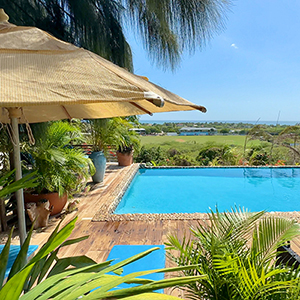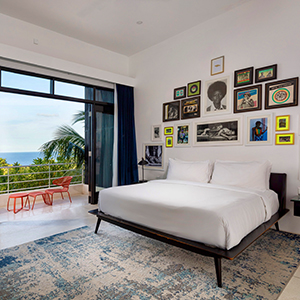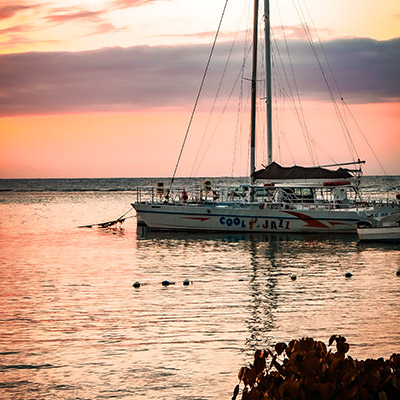
When I first landed in Jamaica, I had a lot of preconceived notions about white sand beaches, non-stop Red Stripe, and a little bit of fear… but so much of that was wrong. I spent a month in Jamaica searching for the island’s best resorts, and learned tons. I share it all here.
I’ll get you through the airport, guide you toward authentic Jamaican food, show you how to be safe in Jamaica, and advise how to get around, including how to navigate Jamaican taxis. We’ll also sprint through some Jamaican history and culture, and end with a speed round covering everything else you need to know to have the trip of a lifetime.
Part 1
Orientation, and History
Airport Arrival and Orientation
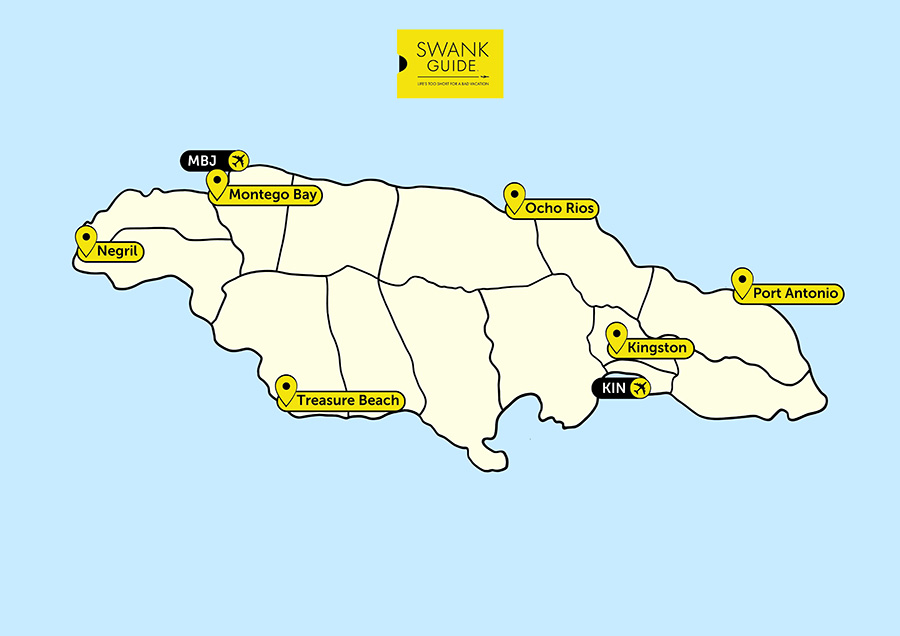
Map of Jamaica’s airports
There are 2 main airports in Jamaica: in Kingston, the capital, and in Montego Bay. I suggest flying into Montego Bay, which is the closest airport to most of Jamaica’s tourist destinations.
North Americans, Europeans and Aussies won’t need a tourist visa. If you’re from somewhere else, you might, so please check.
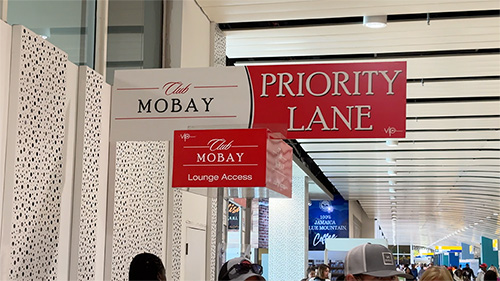
Club Mobay Avoid long waits at the border
When I arrived, I breezed right through customs… but had friends who waited for 3+ hours. Customs and passport lines are a Russian roulette coming and going, but I’ve got a solution. Consider using Club Mobay. It’s US$35 one way, and I think it’s worth it given the risk of long waits. (Use our handy link to book.)
The People, History & Culture
I can’t do justice to Jamaica’s history and culture here… there’s so much to it. But here’s the Cliffs Notes version.
The first Europeans in Jamaica were the Spanish and many towns still bear Spanish names.
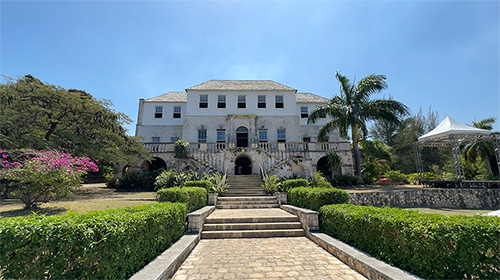
Decadent exploitation A Jamaican plantation built with slave labor
Then came the English, turning the island into a huge sugar plantation, built on the back of enslaved Africans who made Jamaica England’s wealthiest colony in the Caribbean and the hub of slave trade in the Americas.
Planters built great houses, and lived decadent lives, while imposing horrible conditions on their slave labor. But maybe the great irony is that although England ruled Jamaica for 300 years, the island’s deepest influence isn’t English, it’s African.
Jamaican culture is essentially rooted in its African heritage. From the rhythms of reggae and dancehall music, which echo the beats of African drums, to the storytelling tradition of Anansi stories, Jamaica’s soul beats with the heart of Africa. Even the language, Patois (a mix of Creole and English), carries expressions inherited from African languages.
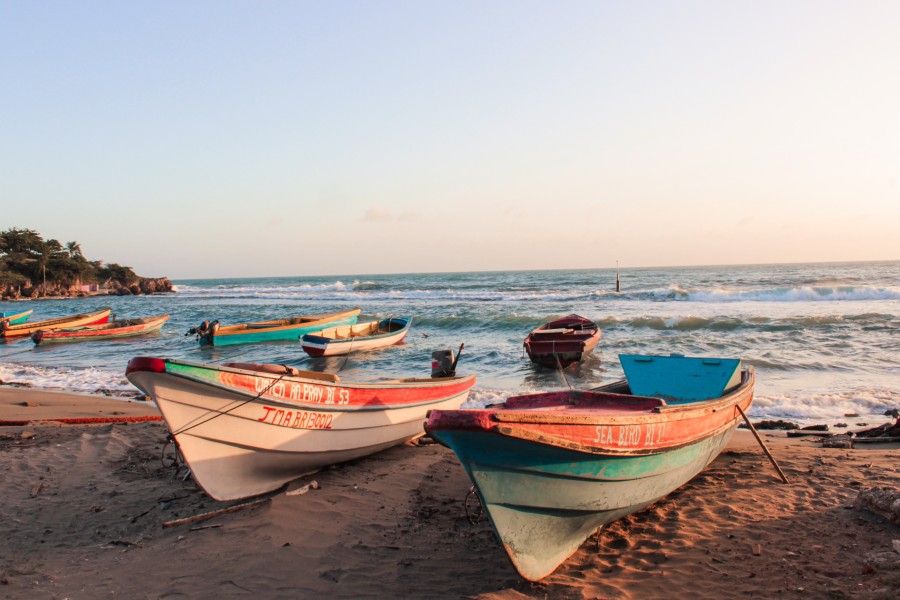
Jamaica’s soul beats with the heart of Africa