Los Angeles sprawls across 500 square miles of Southern California real estate with all the subtlety of a peacock at a funeral. While tourists flock to the Walk of Fame (essentially a sidewalk with stars on it that somehow still disappoints), the real LA waits patiently for travelers willing to venture beyond the obvious.
This guide skips the predictable tourist traps and instead reveals the Los Angeles that locals actually enjoy — minus the two-hour traffic jams and $30 parking fees.
Editor’s Note: While some of these recommendations appear in guidebooks, they remain worthwhile experiences that deserve your attention. Sometimes the obvious choice is obvious for good reason.
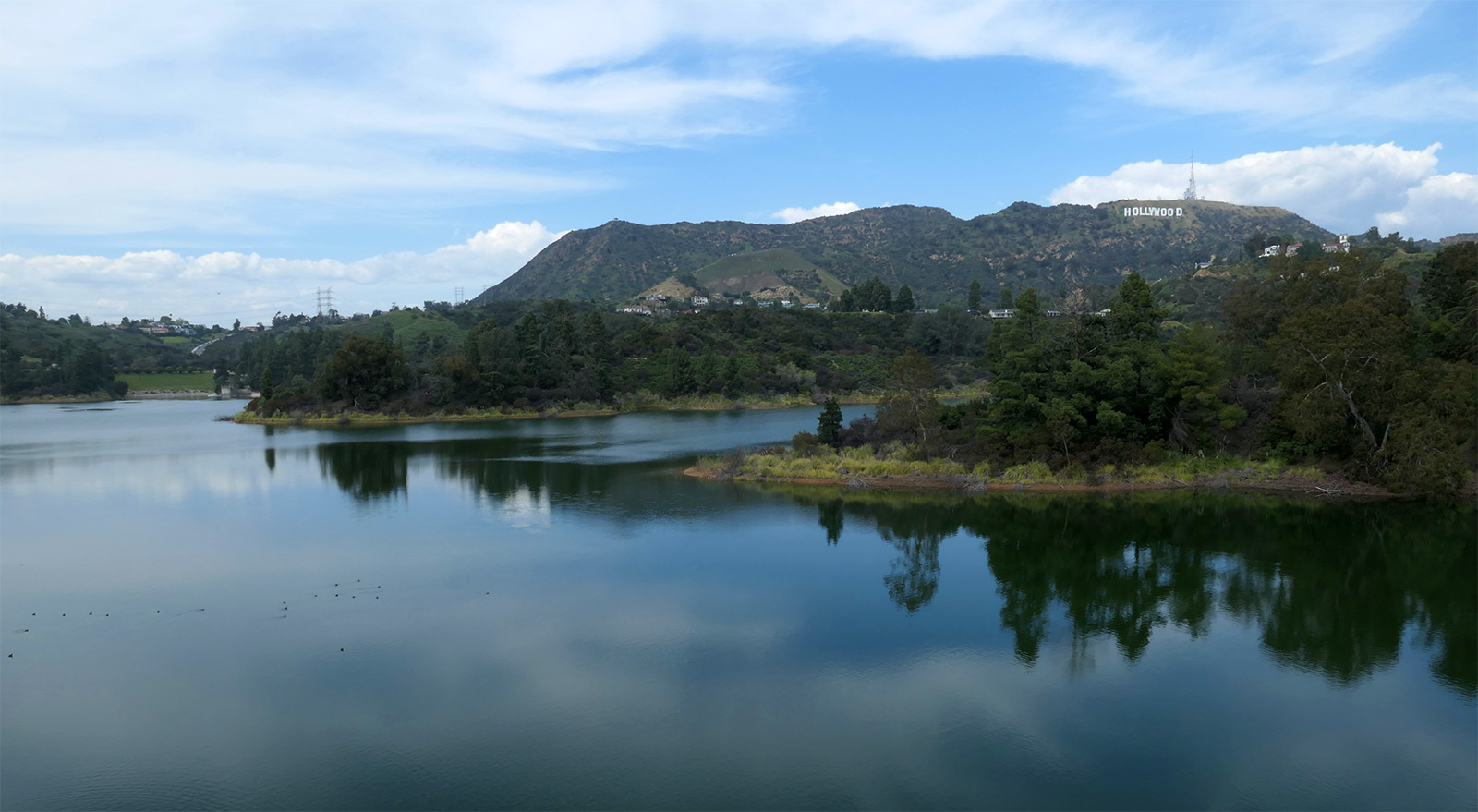
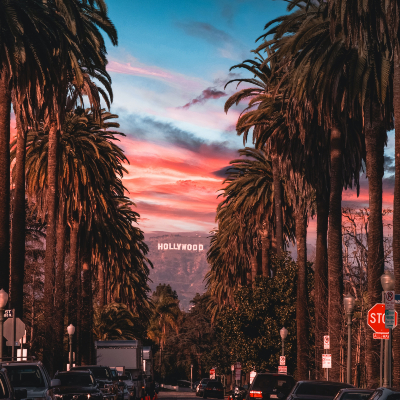
See LA a different way View of the Hollywood sign from Lake Hollywood
Abbot Kinney Boulevard: Where Shopping Has Actual Character
Venice Beach’s Abbot Kinney Boulevard offers what Rodeo Drive cannot: authenticity. This mile-long stretch has transformed from bohemian outpost to upscale shopping district without completely sacrificing its soul—a rare feat in LA’s constant reinvention cycle.
That said, its heyday as “the coolest street in America” (thanks, GQ) has faded a bit. These days, the boulevard leans more Erewhon-influencer-scene than bohemian outpost, and most Angelenos don’t make it a regular destination. If you’re looking for something fresher, try the boutiques in Highland Park, Echo Park, or Silver Lake. Shops like Otherwild (Echo Park), Mollusk Surf Shop (Silver Lake), or Galco’s Soda Pop Stop (Highland Park) feel closer to the ground-level creativity and risk-taking that gave AKB its reputation in the first place.
Local tip: Visit Salt & Straw for ice cream flavors that sound like they were dreamed up in a fever but somehow work. (Yes, it’s a Portland, OR import, but LA has happily adopted it as its own.) Their Arbequina Olive Oil flavor makes a surprisingly convincing case for putting olive oil in dessert.
Venice Canals: The Peaceful Side of Venice
Just blocks from the chaos of Venice Boardwalk lies a neighborhood so incongruously serene you’ll wonder if you’ve somehow teleported to an entirely different city. The Venice Canals—yes, actual canals in Los Angeles—were built in 1905 by developer Abbot Kinney (who clearly had a thing for Venice, Italy).
Wander the pedestrian pathways crossing these waterways lined with eclectic homes ranging from Mediterranean villas to ultramodern architectural statements. It’s a residential area, so respect the locals while you quietly judge their landscaping choices and speculate wildly about their property values.
Local tip: Enter at the corner of Dell Avenue and South Venice Boulevard for the least touristy access point.
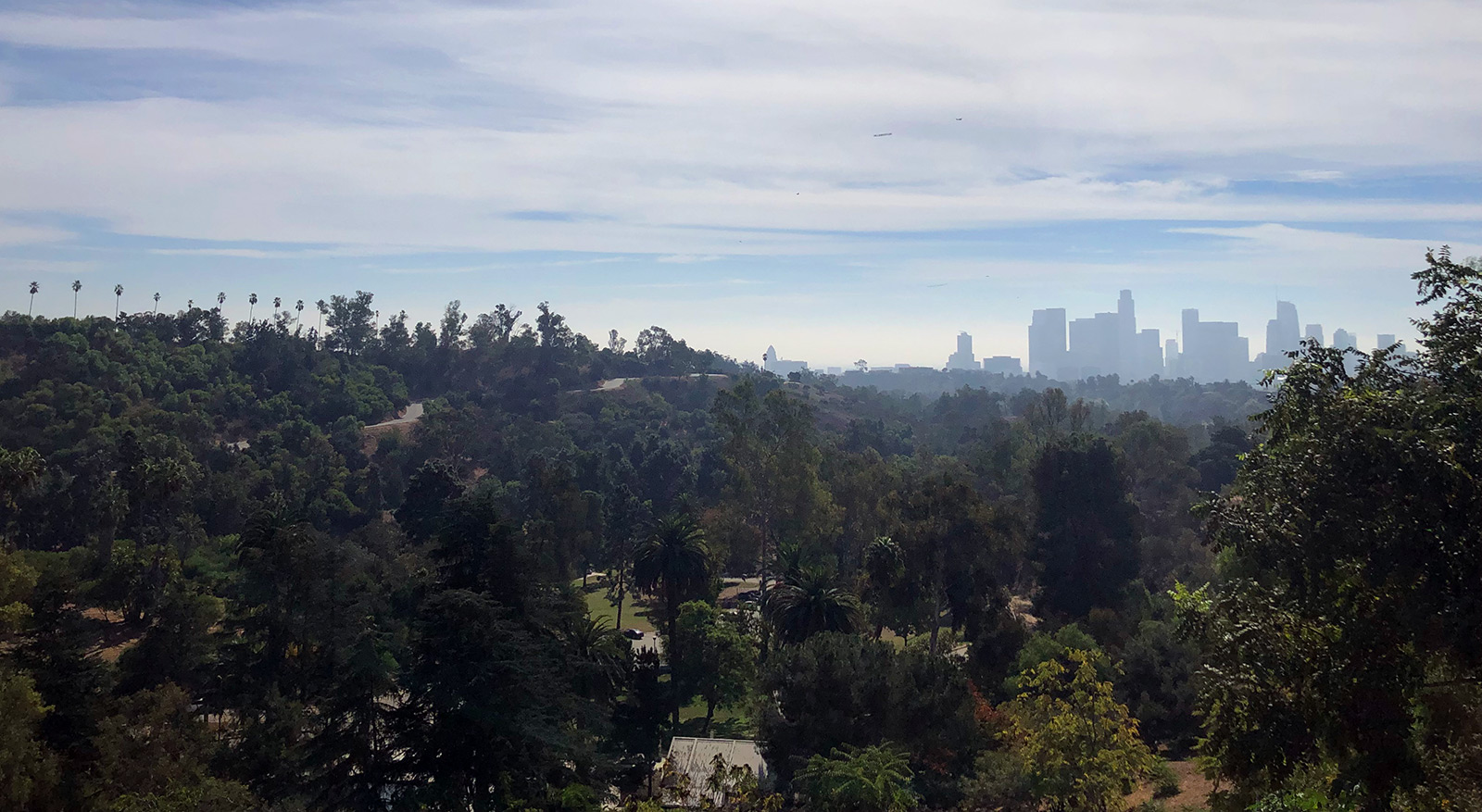
Worth the climb The view of Downtown Los Angeles from the top of the Baxter Street stairs
LA’s Hidden Staircases: The Steep Side of the City
If the Venice Canals are all about flat tranquility, LA’s secret staircases provide the opposite—urban cardio with a view. These public stairways, tucked into hillsides across the city, have become cult favorites among runners, photographers, and anyone curious enough to climb.
You’ll find clusters in Echo Park, Silver Lake, Santa Monica, and Hollywood. The Baxter Street Stairs in Echo Park and the Music Box Steps in Silver Lake are local legends.
Pro tip: Check out this LA Times list for a mapped guide to the best staircases around town.
Architectural Home Tours: Mid-Century Masterpieces
Los Angeles houses some of the world’s most significant residential architecture, and remarkably, many landmark homes offer tours. The Eames House in Pacific Palisades presents Charles and Ray Eames’ revolutionary approach to modern living—a colorful Mondrian-like exterior hiding ingeniously practical interiors. After smoke damage from recent fires, it’s now reopened following careful repairs—so you’re good to go.
For views that have launched a thousand architectural photography books, the Stahl House (Case Study House #22) provides the quintessential glass-box-on-a-cliff experience with arguably the most dramatic vista of Los Angeles available to the public.
Local tip: Book these tours weeks—sometimes months—in advance. The VDL House by Richard Neutra offers the best value architectural pilgrimage at just $15 for a docent-led tour.
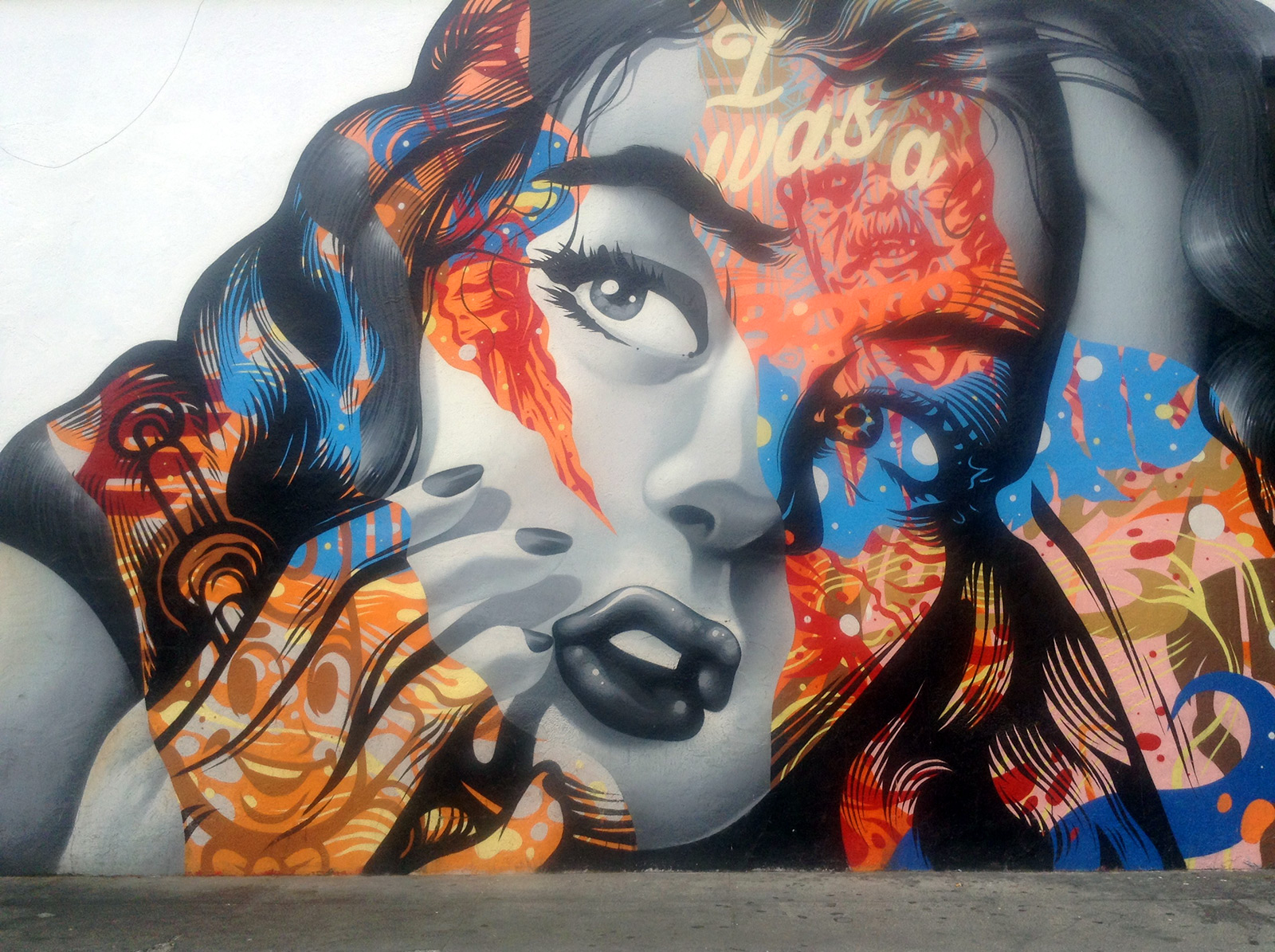
Living up to its name The Arts District is vibrant with both gallery art and street art
The Arts District: Industrial Chic Without Trying Too Hard
Downtown LA’s Arts District has completed its metamorphosis from industrial wasteland to hipster haven without entirely losing its gritty charm. Former factories and warehouses now house galleries, breweries, and restaurants that charge $18 for toast—but the area retains enough authenticity to make exploration worthwhile.
Hauser & Wirth gallery occupies a transformed flour mill, offering museum-quality exhibitions without the museum crowds. Afterward, wander the neighborhood to discover street art ranging from commissioned murals to guerrilla installations.
Local tip: Sunday mornings are the sweet spot for Arts District exploration—early enough to avoid crowds but late enough for coffee at Maru, where baristas achieve the perfect balance between coffee expertise and mercifully minimal coffee snobbery.
Want to dive even deeper? Head to ROW DTLA, a sprawling complex of shops, restaurants, and creative spaces that feels like a city within the city.
Malibu’s Hidden Beaches: Beyond Zuma and Paradise Cove
Malibu’s 21 miles of coastline hide several beaches that somehow remain uncrowded even on summer weekends. El Matador State Beach requires a steep descent down blufftop stairs, rewarding the effort with dramatic rock formations and sea caves. Leo Carrillo State Park offers tide pools at its north end that reveal starfish, sea anemones, and the occasional octopus during low tide.
Local tip: The legality of beach access in Malibu remains contentious. When signs proclaim “Private Property,” look for the nearest vertical access way marked by official California Coastal Commission signage—these are your legal rights-of-way to public beaches.
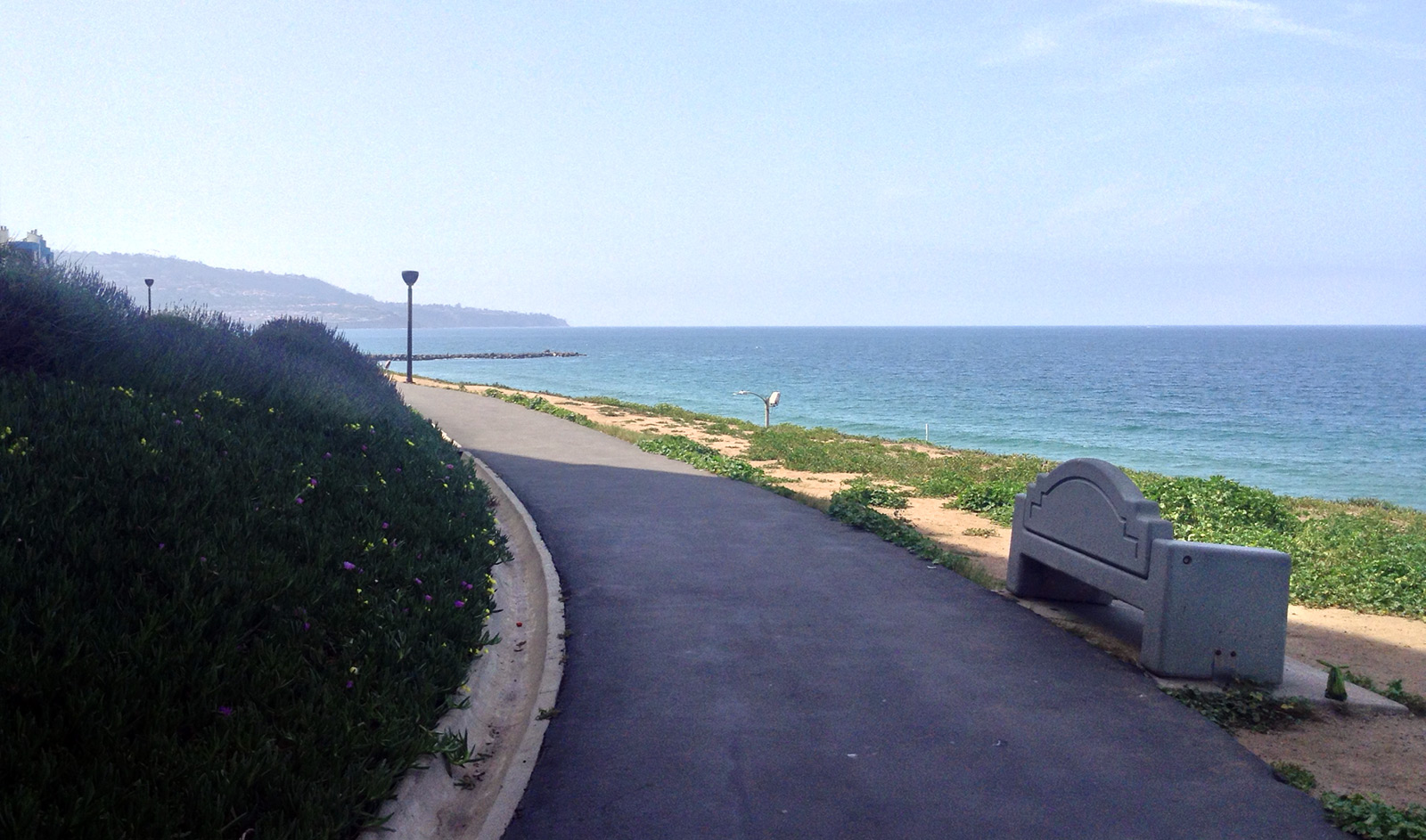
Smooth riding The Marvin Braude bike trail, heading toward Redondo Beach
The Marvin Braude Bike Trail: 22 Miles of LA Coastline
If sand isn’t your scene, swap beach towels for bike tires. The Marvin Braude Bike Trail runs 22 miles along the coast, from Will Rogers State Beach all the way to Redondo Beach. Along the way you’ll pass Santa Monica Pier, Venice’s boardwalk and skate park, Marina del Rey, Dockweiler Beach, Manhattan Beach Pier (yes, the one from Point Break), and some of the priciest beach houses in California.
Pro tip: Rent a cruiser in Santa Monica and aim south—you’ll dodge the uphill and end with tacos and a beer in Redondo.
Museum Must-Dos: MOCA, The Hammer, and The Getty Center
While every guidebook recommends museum visits, these three institutions rise above the tourist circuit and genuinely deserve your time.
The Museum of Contemporary Art (MOCA) on Grand Avenue presents a collection that balances accessibility with intellectual rigor—mercifully free of the pretension that plagues some contemporary art spaces. The permanent collection sparkles with works by Rothko, Rauschenberg, and Basquiat, displayed in galleries that invite contemplation rather than bewilderment.
Visiting Essentials:
- Admission: $15 for adults; free for kids under 12. Free Thursdays from 5–8 p.m.
- Hours: Open Thursday–Monday (11 a.m.–5 p.m.); closed Tuesday and Wednesday
- Location: 250 South Grand Avenue, Downtown LA.
- Local tip: MOCA is compact enough to pair with The Broad next door—just budget time for the Infinity Room line if you go.
The Hammer Museum in Westwood occupies a curious architectural space—part corporate office building, part cultural sanctuary—creating an unexpected context for its exceptional collection. The courtyard alone justifies the visit, offering a peaceful retreat that somehow makes the surrounding traffic disappear. Their rotating exhibitions consistently challenge and engage without resorting to shock value, and the free admission policy (yes, actually free) reflects a refreshing commitment to public access.
Visiting Essentials:
- Admission: Always free.
- Hours: Tuesday–Sunday (11 a.m.–6 p.m.); closed Mondays.
- Location: 10899 Wilshire Blvd, Westwood.
- Local Tip: The Hammer’s public programs—film screenings, lectures, panels—often feature heavy-hitter artists and thinkers. Check the calendar before you go.
The Getty Center, perched high in the Brentwood Hills, is the consummate expression of late 20th-century modernism. Though it didn’t open until 1997, the design was conceived in the 1980s, and it shows—crisp travertine, geometric lines, and a minimalist optimism that feels distinctly of that era. The result is a campus where the architecture and setting are as compelling as the art itself. Sweeping views of Los Angeles, the Irwin-designed Central Garden, and a collection spanning centuries of European painting, sculpture, and photography make this a place where you could easily spend an entire afternoon.
Visiting Essentials:
- Admission: Always free, but you’ll need a timed-entry reservation.
- Hours: Tuesday–Friday & Sunday (10 a.m.–6:30 p.m.); Saturday (10 a.m.–9 p.m.); closed Mondays.
- Location: 1200 Getty Center Dr, Brentwood.
- Parking: $25, reduced to $15 after 3 p.m., and free after 6 p.m. on Saturdays.
- Dining: From the full-service Restaurant with terrace views to the Garden Terrace Café and coffee carts, it’s worth pausing between galleries to refuel.
Local tip: Snap photos on the terraces—those all-white lines against the LA skyline are practically a built-in Instagram filter.
Where To Stay
Check out the best hotels we’ve tried and tested in Los Angeles.